
How I Started My Journey with Native Landscaping
Every garden begins with an idea—and evolves through observation, patience, and learning.
My introduction to Louisiana native plants began in 2020, around the time my family celebrated buying our home. Naturally, my mind immediately turned to the garden.
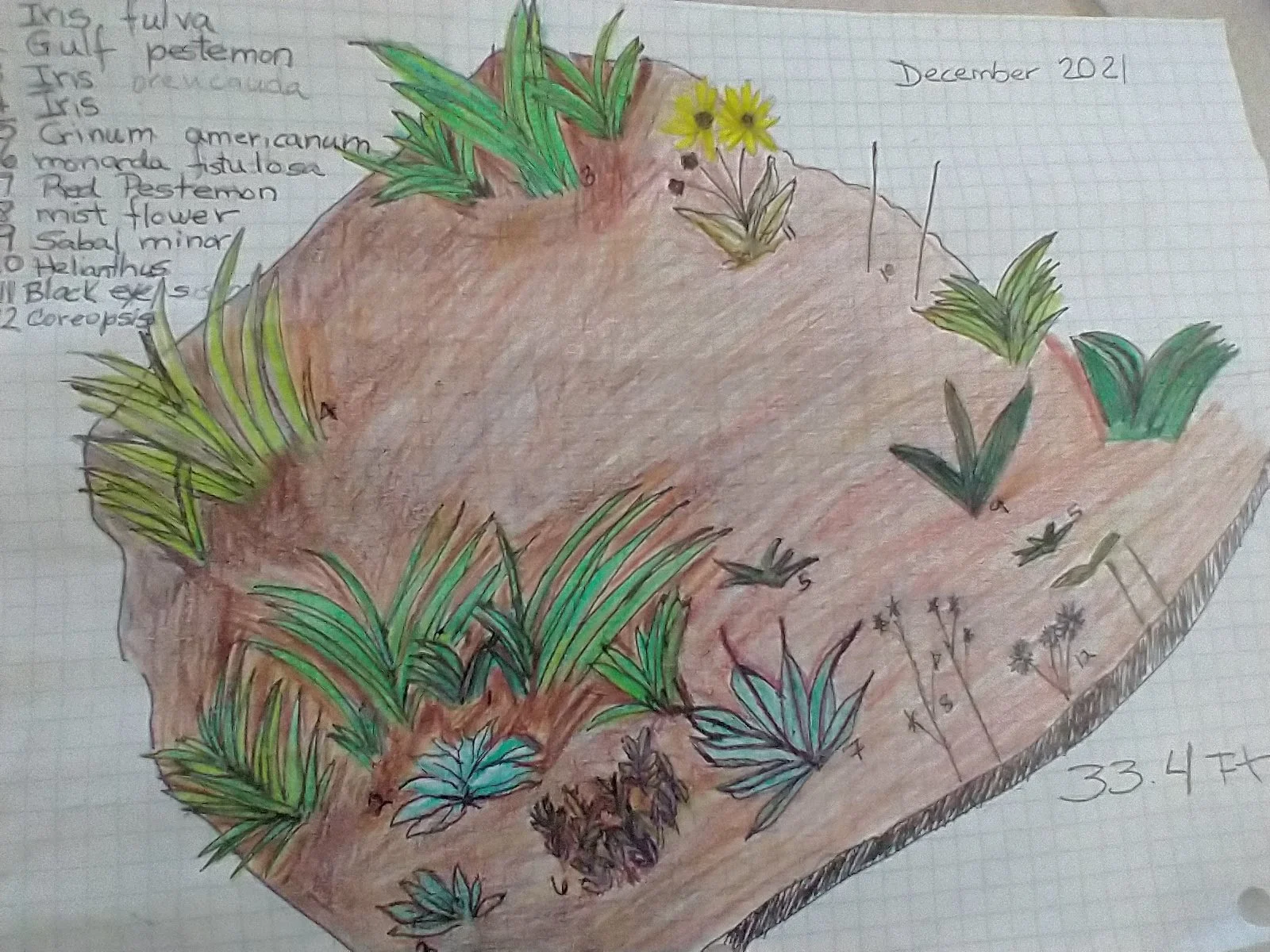
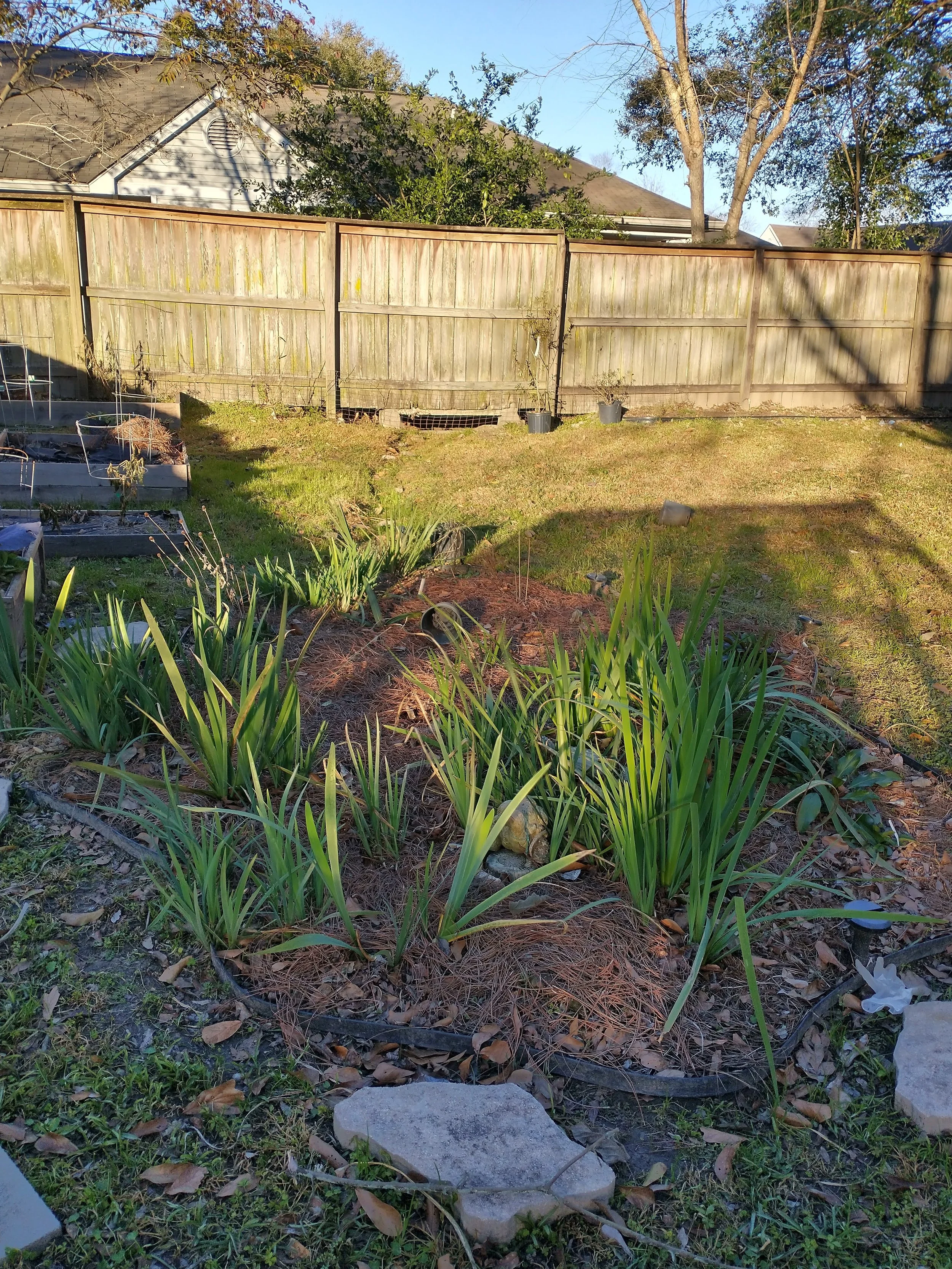
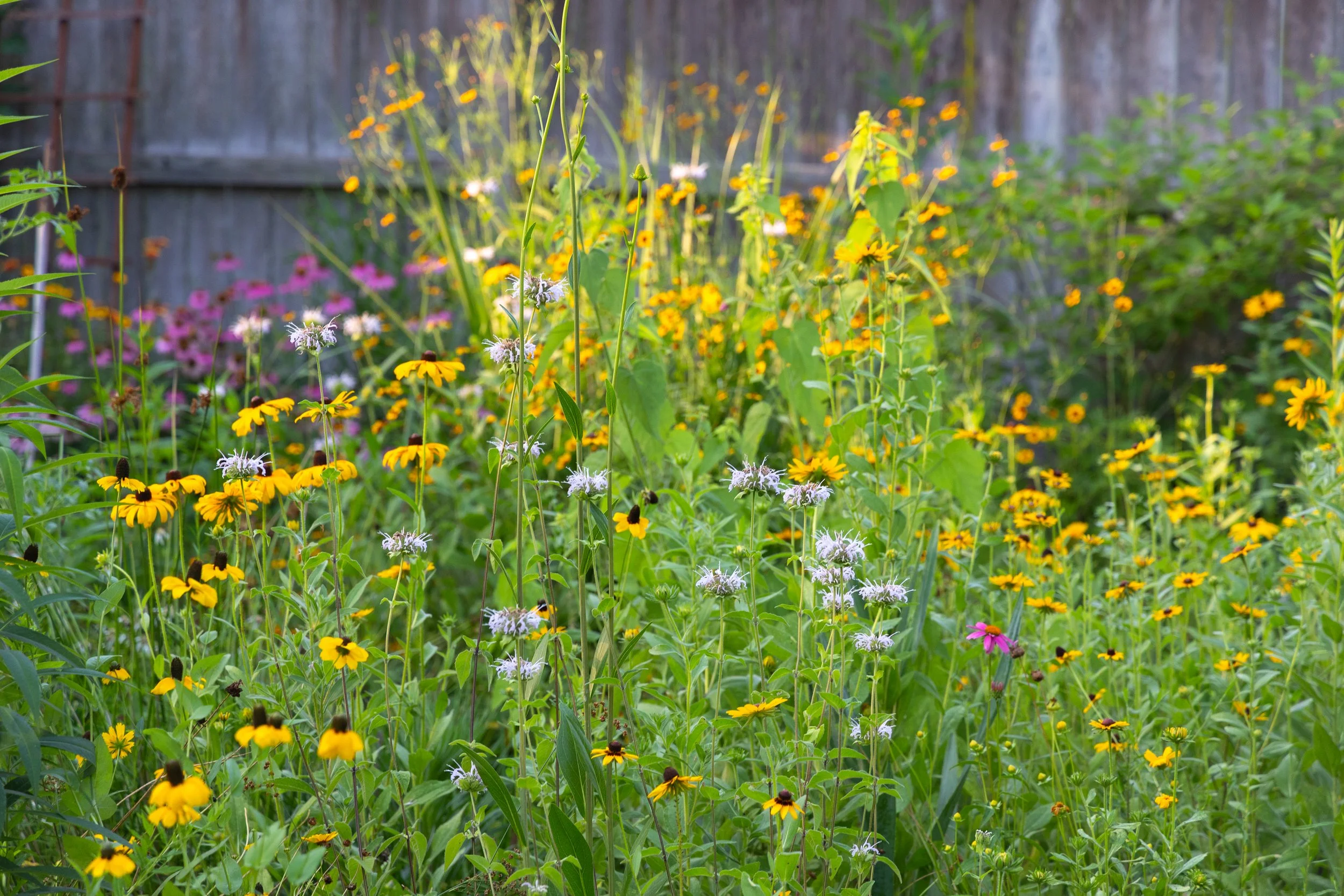
From vision to reality: a first sketch, early planting, and a garden growing into a dynamic native landscape.
THE BEGINNING
The backyard, however, was far from ready. It was overrun with paper mulberry—an aggressive, invasive tree that spreads quickly through suckers. After removing 8–10 medium-sized trees from the center of the yard, I finally had a blank canvas to begin.
At that time, I was growing many tropical plants, but I had grown tired of the constant effort required to protect them during freezes. From my earlier experience at the Smithsonian Tropical Research Institute, I already understood that working with plants adapted to their environment—native plants—could help achieve long-term success while also supporting wildlife.
So I started researching. A simple search led me to native gardening in Louisiana—learning about species, keystone plants, and ecosystems. That’s when I discovered the Acadiana Native Plant Project in Lafayette.
LEARNING THE LAND
My first visit was small—I spent about $100 on plants, thinking it would be a one-time trip. It wasn’t.
Instead, it marked the beginning of a deeper process. I began observing my garden closely—tracking sunlight, soil moisture, and drainage. Over time, this became a mental “map” of my yard, and I’ve been planting with that understanding ever since.
I remember dreaming of Louisiana irises and other moisture-loving plants filling the lower areas of my yard where water collects after rain. Those plantings established beautifully—but they also taught me an important lesson: some plants have short bloom periods. If I wanted a garden with year-round interest, I needed to design with seasonality in mind.
BUILDING KNOWLEDGE & COMMUNITY
As my interest grew, I became a member of the Louisiana Master Naturalists of Greater Baton Rouge, the Acadiana Native Plant Project, and the Louisiana Native Plant Society.
These organizations became an anchor for my journey. Through them, I learned about Louisiana’s ecoregions, plant communities, and the role native plants play in supporting wildlife.
Looking back, I would probably choose some different species if I were starting today—but one thing remains true: native gardening brings life, movement, and connection back into the landscape.
WHAT HELPED ME MOST
If you’re just starting your own native garden, here are a few takeaways from my experience:
Start by observing your space
Pay attention to light, soil moisture, and drainage. Your garden will tell you what belongs there.
Connect with local organizations
The Louisiana Native Plant Society offers incredible resources—from plant lists to nurseries and educational programs.
Learn from a trusted guide
One book I highly recommend is Native Gardening in the South by Bill Fontenot. It’s practical, easy to read, and especially helpful for gardeners in our region.
Design for all seasons
Think beyond blooms—structure, foliage, and succession are what make a garden feel alive year-round.
WHERE IT LED ME
Gardening with native plants in an urban area like Baton Rouge has been incredibly rewarding. Over time, neighbors have stopped by to ask questions, visit the garden, and even begin incorporating native plants into their own spaces.
What I’ve learned is this: native gardening doesn’t compromise beauty—it enhances it. You can have a garden that is both visually rich and ecologically meaningful.
Through Provenance Potted Gardens, I hope to continue sharing what I’ve learned and help others feel confident starting their own journey.
In my next post, I’ll share a few native plants I wish I had started with—and why they make such a strong foundation for any Louisiana garden.
